
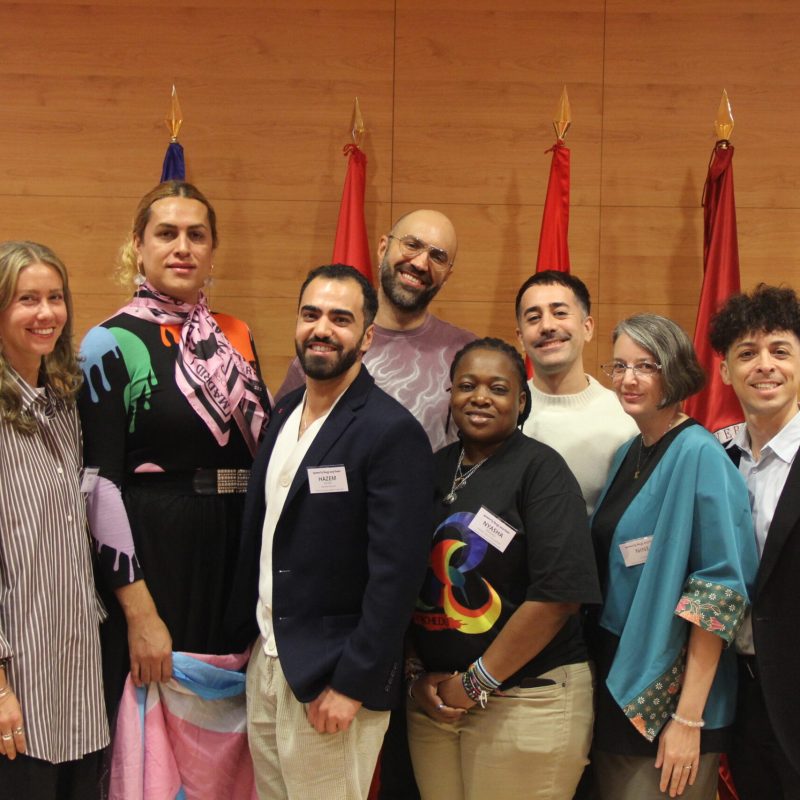
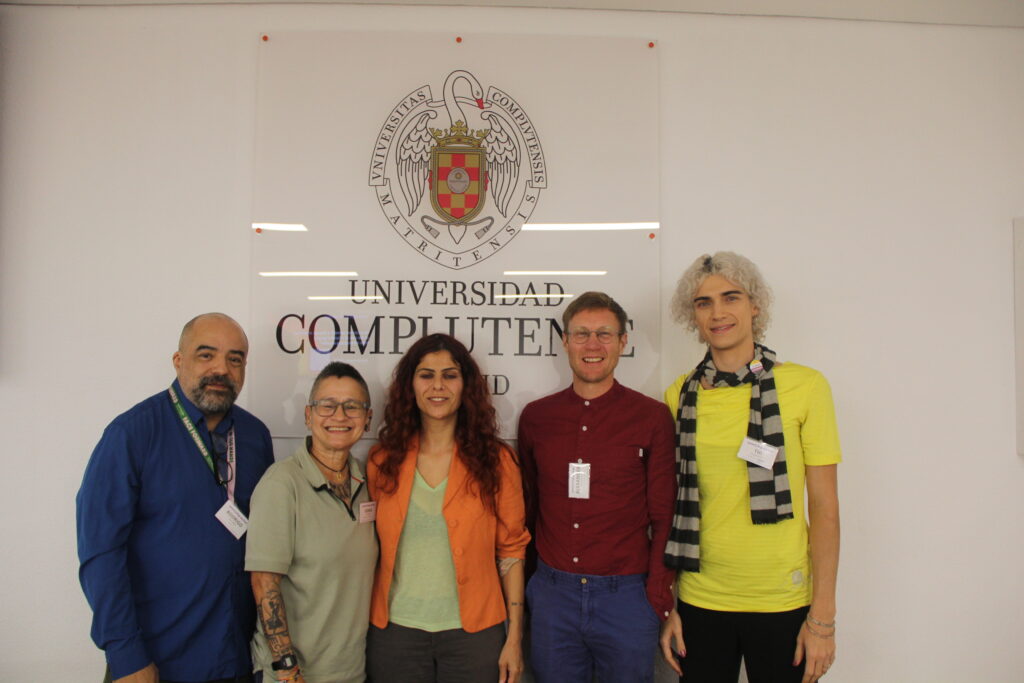
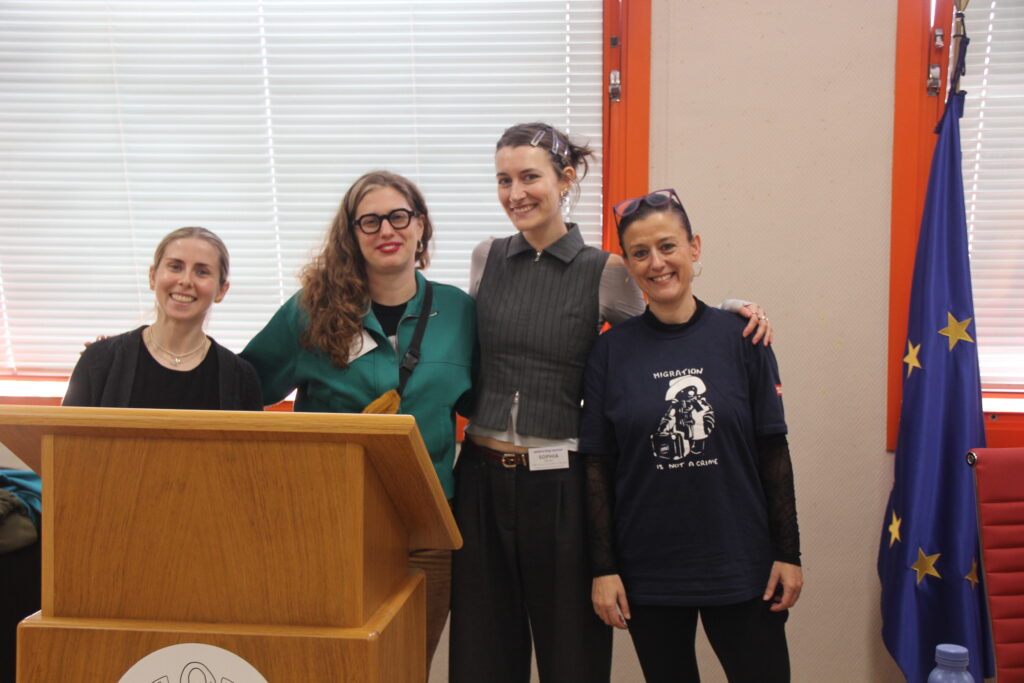
The conference was organised by Dr Calogero Giametta and Dr Diego Garcia Rodriguez from the University of Leicester with support from colleagues Dr Rieke Schröder (University of Münster), Dr Sophia Zisakou (Lund University), Professor Ignacio Pichardo (Complutense University of Madrid) and Dmitri Chong (University of Westminster).
The event also marked the official launch of the Global LGBTIQ+ Asylum and Forced Migration Observatory (GLASO).
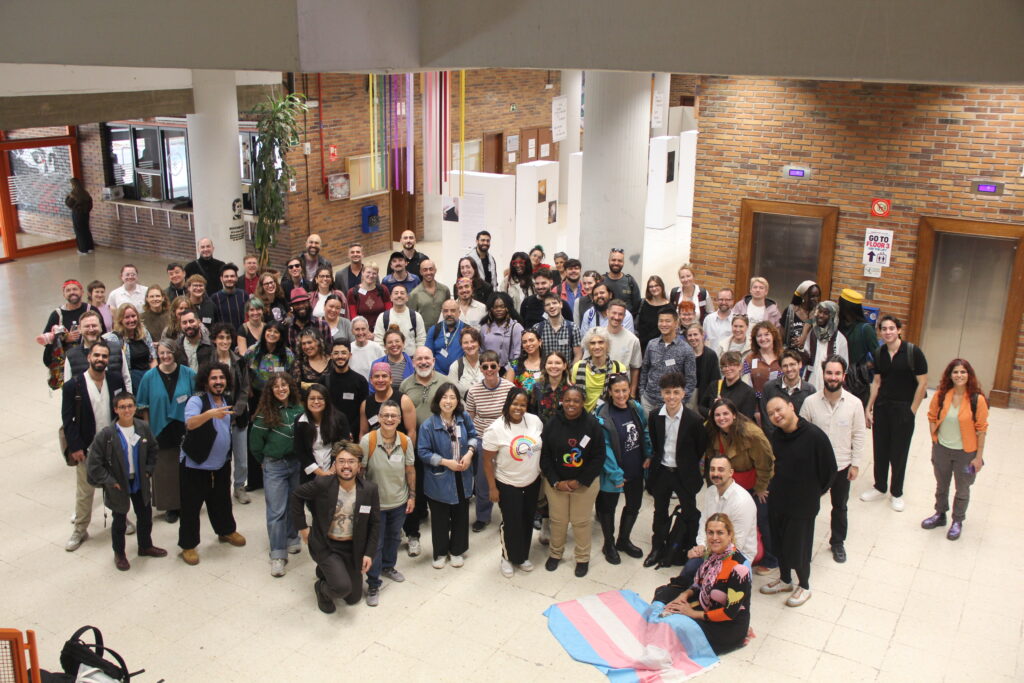
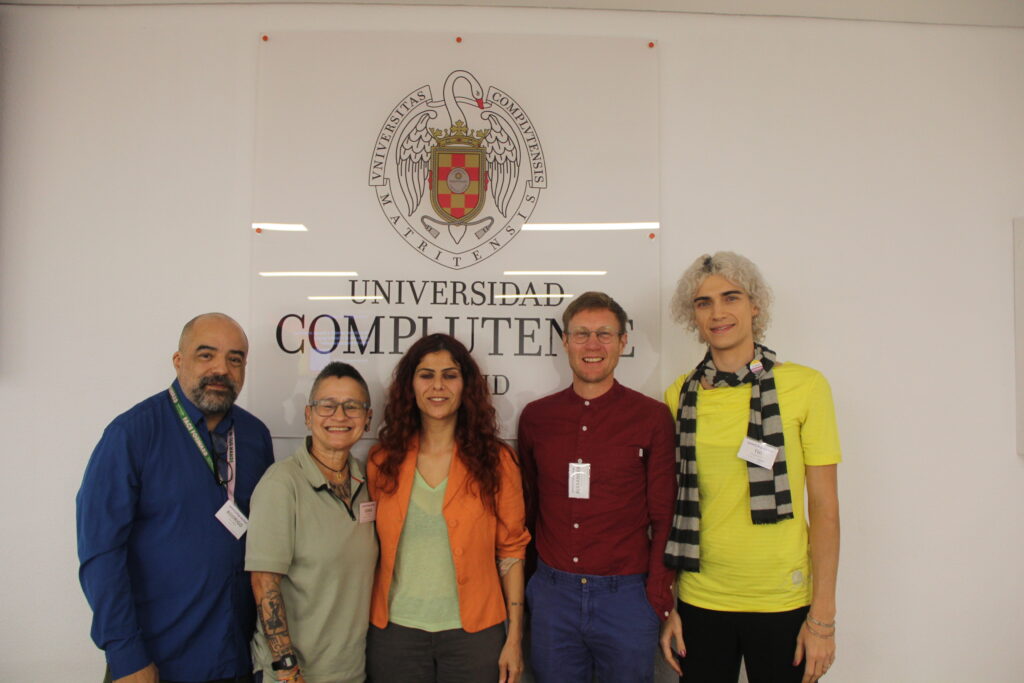
On 29–30 October 2026, the Universidad Complutense de Madrid hosted the IV Queer(y)ing Asylum Conference, an international conference dedicated to understanding and challenging the inequalities experienced by LGBTIQ+ refugees, asylum seekers and forcibly displaced people.
Bringing together voices from academia, civil society, international organisations and refugee-led initiatives, the conference created a space for critical discussions about asylum systems, migration policies, community responses and the meaning of protection in an increasingly hostile political environment.
Across two days, 150+ people and more than 20 thematic sessions, roundtables, workshops and film screenings explored the realities of LGBTIQ+ displacement across Europe, Africa, Latin America, the Middle East and Asia. The conference also included the launch of the book Lives at the Intersections (Bloomsbury, 2027) co-edited by Dr Diego Garcia Rodriguez and Dr Calogero Giametta from the University of Leicester, with Alex Powell (University of Warwick) and Claire Fletcher (Micro Rainbow).
The programme deliberately brought different forms of knowledge into conversation, recognising that academic research, legal expertise, frontline practice and lived experience all have important roles in shaping more equitable asylum policies.
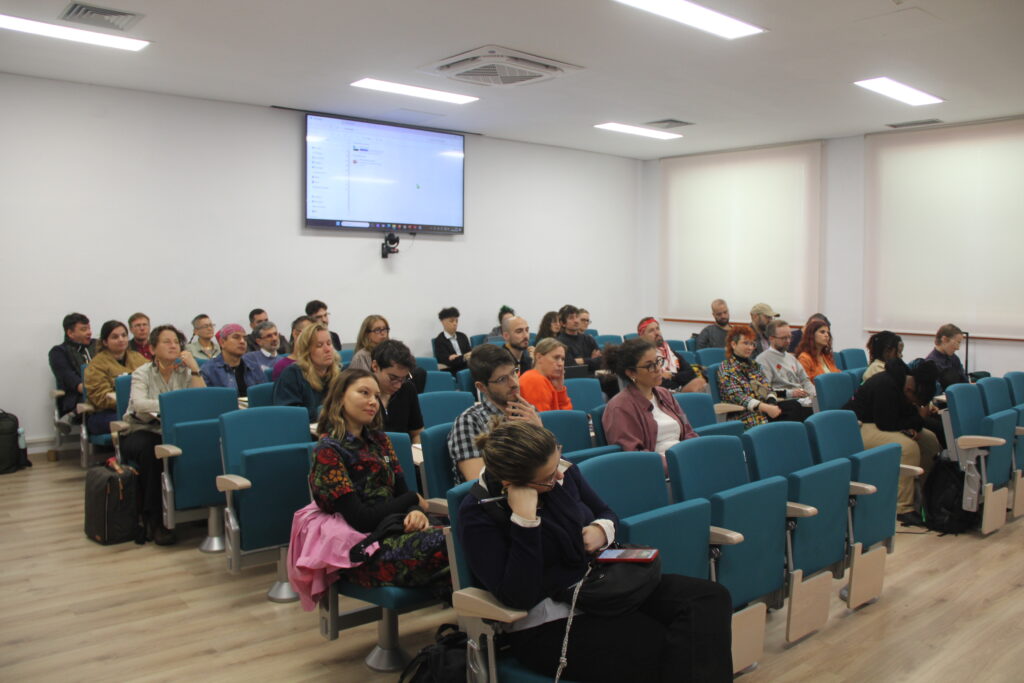
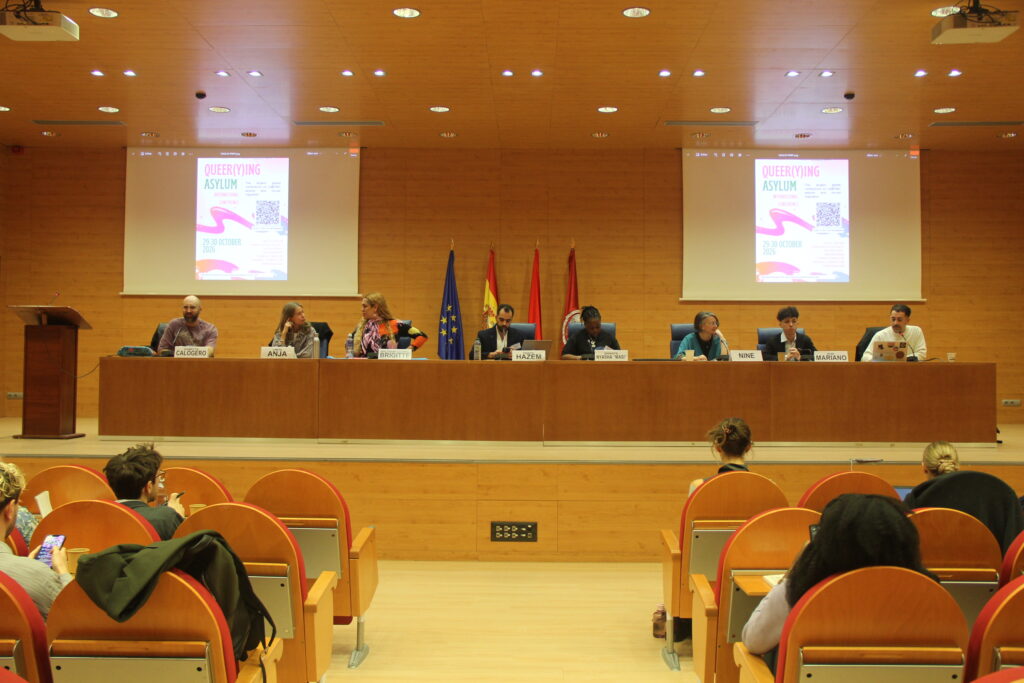
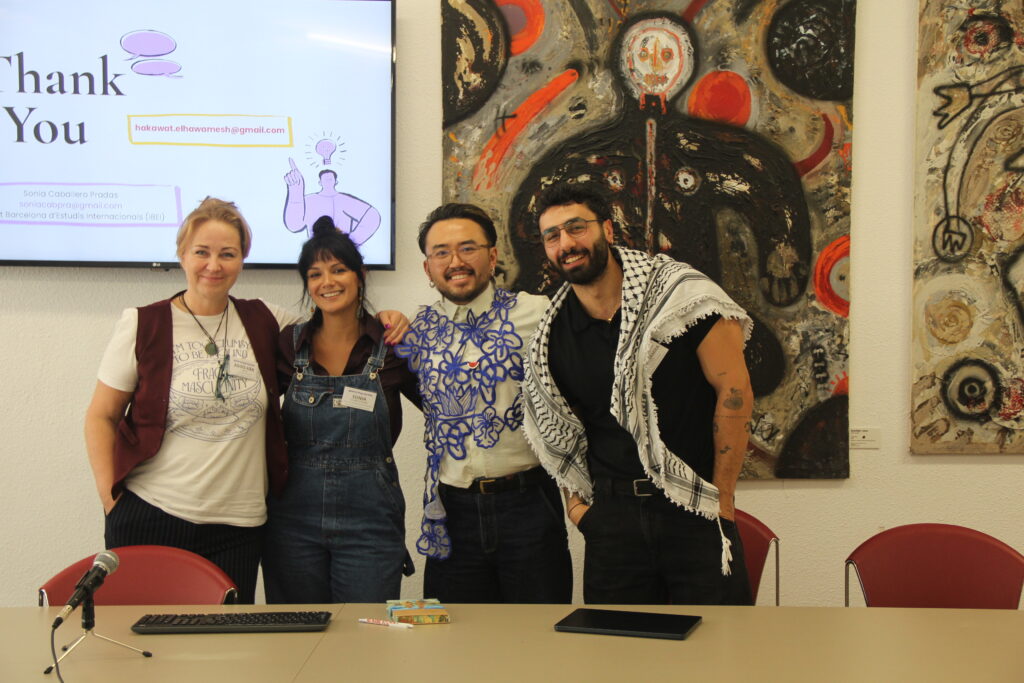
One of the conference’s central milestones was the official launch of the Global LGBTIQ+ Asylum and Forced Migration Observatory (GLASO), an initiative led by Dr Diego García Rodríguez at the University of Leicester and supported by UK Research and Innovation (UKRI) through a Future Leaders Fellowship.
The opening included contributions from Professor Ana Yáñez, Dean of the Faculty of Political Science and Sociology at the Universidad Complutense de Madrid; Paloma Favieres Ruiz, Director-General for Humanitarian Assistance and the International Protection Reception System in the Spanish Government; Professor J. Ignacio Pichardo; and Dr Diego García Rodríguez.
GLASO seeks to connect research, policy and advocacy through a comparative, international and participatory approach to LGBTIQ+ asylum and forced migration. Its research initially focuses on six countries: the United Kingdom, Spain, France, Kenya, Mexico and Lebanon.
The launch offered an opportunity to introduce the Observatory’s wider ambitions: generating evidence that can inform public policy, strengthening dialogue between institutions and communities and ensuring that people directly affected by asylum systems help shape the questions researchers ask and the recommendations they produce.
A recurring concern throughout the conference was the gap between the formal recognition of LGBTIQ+ refugee rights and the realities people experience when seeking safety.
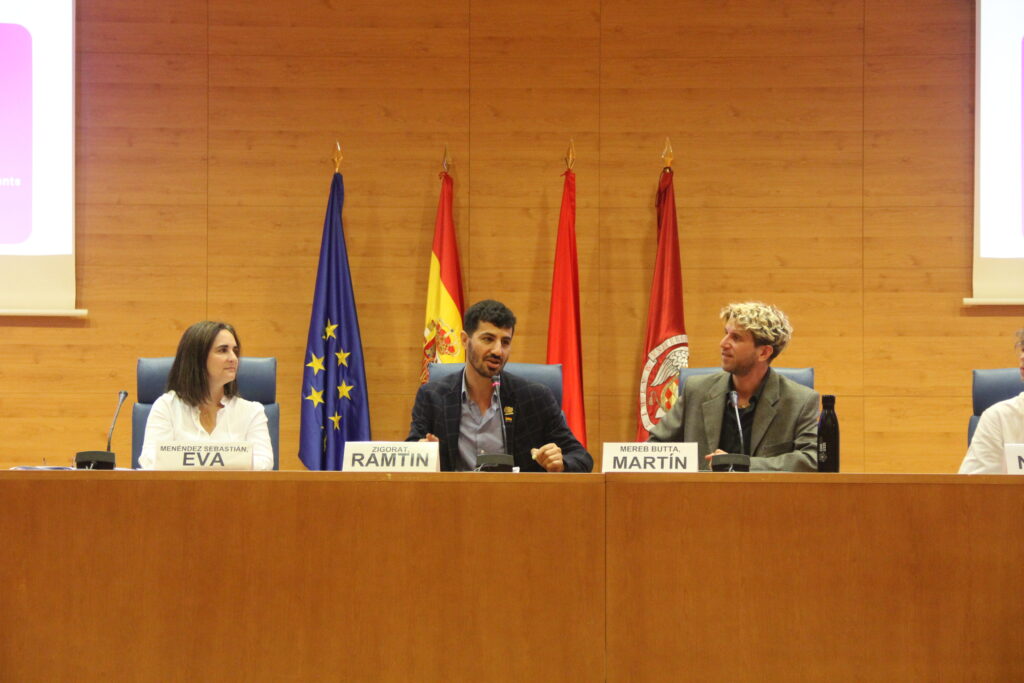
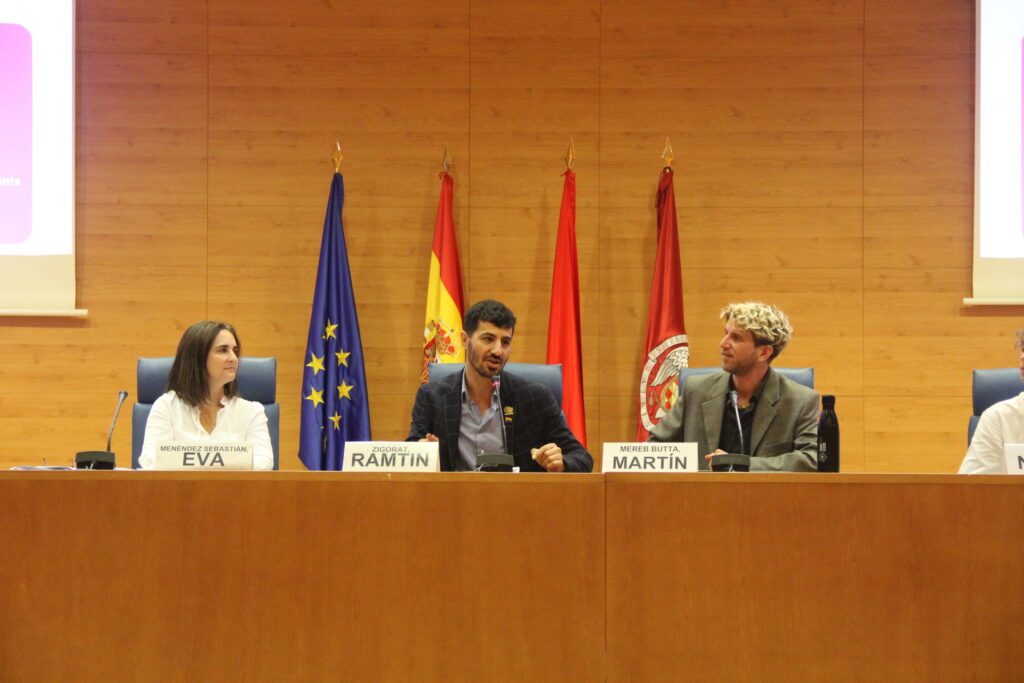
The opening roundtable on the situation of LGBTIQ+ migrants and refugees in Spain brought together representatives from CEAR, UNHCR Spain, the UGT trade union, Florida International University and refugee activist Ramtin Zigorat. Discussions addressed the Spanish asylum system, regularisation, employment rights and the experiences of people navigating international protection procedures.
Other sessions examined the consequences of the European Union’s New Pact on Migration and Asylum, refugee status determination in Kenya, discrimination within the Swiss asylum system and barriers affecting LGBTIQ+ applicants across European countries.
A particularly important issue was the assessment of credibility. Many LGBTIQ+ asylum seekers must demonstrate that their sexual orientation, gender identity or personal experiences conform to institutional expectations of what a ‘genuine’ refugee should look or sound like. Research presented in the programme challenged these assumptions, highlighting how culturally narrow understandings of sexuality, gender and trauma can create additional barriers to protection.
These debates also extended to emerging technologies. Contributions on artificial intelligence in asylum decision-making questioned whether automated systems risk reproducing existing discrimination, particularly when individual experiences cannot be adequately understood through standardised categories or historical decision-making data.
Together, we explored how asylum systems could move beyond narrow assessments of identity and credibility towards procedures that recognise the complexity of people’s lives.
The conference also examined the growing challenges facing organisations supporting displaced LGBTIQ+ communities.
Hazem Ghaith of Rainbow Railroad introduced the work of the Queer Forced Displacement Network, highlighting the importance of sustained collaboration between grassroots actors, people with lived experience, researchers and policymakers at a time of increasing hostility and funding pressures.
A global conversational forum, Queer Displacement in a Changing World, brought together representatives of Rainbow Railroad, Pachedu LGBTIQ International in South Africa, the Red Regional por la Movilidad Humana LGBTIQ+ in Latin America, Al Otro Lado in Mexico, ORAM and Garabtaag in Malaysia.
The international perspectives represented across the programme highlighted how protection needs and opportunities differ between geographical contexts. They also demonstrated the vital role of refugee-led and community-based organisations in providing support where formal systems are inaccessible.
Several contributions explored the effects of shrinking humanitarian funding, restrictive migration policies and the political backlash against LGBTIQ+ rights. Others examined the solidarity networks, mutual aid initiatives and everyday practices of care developed by displaced communities themselves.
An important message running through these discussions was that community organisations should not simply be treated as service providers or intermediaries. Their knowledge and experience are essential to understanding protection gaps and developing responses that work in practice.
Beyond legal recognition, the conference explored the broader conditions necessary for LGBTIQ+ people to live safely and with dignity. Sessions focused on mental health, trauma, access to healthcare, housing, social inclusion, faith-based support, community belonging and the experiences of trans and gender-diverse people navigating displacement.
An interactive workshop on trans refugees and biometric borders examined how identification systems, administrative categories and institutional assumptions about gender can create barriers to documentation, healthcare and protection.
Other contributions explored the experiences of Afghan trans migrants in Pakistan, the governance of trans migrant health in the United Kingdom and the challenges faced by trans asylum seekers across Europe.
The programme also encouraged critical reflection on trauma. A dedicated roundtable questioned how asylum systems expect displaced people to narrate suffering and how trauma can become something individuals are required to demonstrate to be considered credible.
Importantly, the conference moved beyond narratives centred exclusively on vulnerability. Research on community gardening, collective care, queer arts, storytelling and participatory photography demonstrated how displaced LGBTIQ+ people create spaces for connection, belonging and self-determination.
Creative approaches formed an important part of the programme, including documentary screenings and the presentation of the forthcoming edited collection Lives at the Intersection: Global Perspectives on Queer Mobility & Asylum (Bloomsbury, 2027).
These contributions challenged the tendency to understand queer displacement only through persecution and suffering, drawing attention instead to the relationships, aspirations, creativity and everyday experiences that also shape displaced people’s lives.
Queer(y)ing Asylum 2026 reflected the importance of bringing together people who approach forced displacement from different positions and experiences. For GLASO, the conference provided an important starting point for building international relationships and identifying questions that will inform its continuing research and policy engagement.
The issues explored throughout the programme point towards several priorities: ensuring that asylum procedures recognise diverse experiences of sexuality and gender, addressing discrimination throughout reception and protection systems, improving access to healthcare and other essential services, supporting refugee-led organisations and strengthening accountability in asylum decision-making.
They also demonstrate the need for research that does not simply document the experiences of displaced communities but works collaboratively with them to identify problems, develop evidence and influence institutional change.
The conversations initiated in Madrid will continue through GLASO’s comparative research, engagement with civil society organisations, participatory activities and efforts to translate research findings into practical recommendations for policymakers and practitioners.
As asylum systems face increasing political pressure, opportunities for meaningful dialogue across sectors and borders are becoming more important. Queer(y)ing Asylum 2026 demonstrated the value of creating spaces in which researchers, advocates, practitioners and people with lived experience can challenge existing assumptions and imagine different approaches to protection.
The conference may have ended, but the work of transforming LGBTIQ+ asylum policies is only beginning. GLASO extends its sincere thanks to everyone who contributed to the conference, including speakers, facilitators, participants, partner organisations and colleagues at the Universidad Complutense de Madrid. We look forward to continuing these conversations and collaborations in the years ahead.
The conference was organised by Dr Calogero Giametta and Dr Diego Garcia Rodriguez from the University of Leicester with support from colleagues Dr Rieke Schröder (University of Münster), Dr Sophia Zisakou (Lund University), Professor Ignacio Pichardo (Complutense University of Madrid) and Dmitri Chong (University of Westminster).
The event also marked the official launch of the Global LGBTIQ+ Asylum and Forced Migration Observatory (GLASO).
On 29–30 October 2026, the Universidad Complutense de Madrid hosted the IV Queer(y)ing Asylum Conference, an international conference dedicated to understanding and challenging the inequalities experienced by LGBTIQ+ refugees, asylum seekers and forcibly displaced people.
Bringing together voices from academia, civil society, international organisations and refugee-led initiatives, the conference created a space for critical discussions about asylum systems, migration policies, community responses and the meaning of protection in an increasingly hostile political environment.
Across two days, 150+ people and more than 20 thematic sessions, roundtables, workshops and film screenings explored the realities of LGBTIQ+ displacement across Europe, Africa, Latin America, the Middle East and Asia. The conference also included the launch of the book Lives at the Intersections (Bloomsbury, 2027) co-edited by Dr Diego Garcia Rodriguez and Dr Calogero Giametta from the University of Leicester, with Alex Powell (University of Warwick) and Claire Fletcher (Micro Rainbow).
The programme deliberately brought different forms of knowledge into conversation, recognising that academic research, legal expertise, frontline practice and lived experience all have important roles in shaping more equitable asylum policies.
One of the conference’s central milestones was the official launch of the Global LGBTIQ+ Asylum and Forced Migration Observatory (GLASO), an initiative led by Dr Diego García Rodríguez at the University of Leicester and supported by UK Research and Innovation (UKRI) through a Future Leaders Fellowship.
The opening included contributions from Professor Ana Yáñez, Dean of the Faculty of Political Science and Sociology at the Universidad Complutense de Madrid; Paloma Favieres Ruiz, Director-General for Humanitarian Assistance and the International Protection Reception System in the Spanish Government; Professor J. Ignacio Pichardo; and Dr Diego García Rodríguez.
GLASO seeks to connect research, policy and advocacy through a comparative, international and participatory approach to LGBTIQ+ asylum and forced migration. Its research initially focuses on six countries: the United Kingdom, Spain, France, Kenya, Mexico and Lebanon.
The launch offered an opportunity to introduce the Observatory’s wider ambitions: generating evidence that can inform public policy, strengthening dialogue between institutions and communities and ensuring that people directly affected by asylum systems help shape the questions researchers ask and the recommendations they produce.
A recurring concern throughout the conference was the gap between the formal recognition of LGBTIQ+ refugee rights and the realities people experience when seeking safety.
The opening roundtable on the situation of LGBTIQ+ migrants and refugees in Spain brought together representatives from CEAR, UNHCR Spain, the UGT trade union, Florida International University and refugee activist Ramtin Zigorat. Discussions addressed the Spanish asylum system, regularisation, employment rights and the experiences of people navigating international protection procedures.
Other sessions examined the consequences of the European Union’s New Pact on Migration and Asylum, refugee status determination in Kenya, discrimination within the Swiss asylum system and barriers affecting LGBTIQ+ applicants across European countries.
A particularly important issue was the assessment of credibility. Many LGBTIQ+ asylum seekers must demonstrate that their sexual orientation, gender identity or personal experiences conform to institutional expectations of what a ‘genuine’ refugee should look or sound like. Research presented in the programme challenged these assumptions, highlighting how culturally narrow understandings of sexuality, gender and trauma can create additional barriers to protection.
These debates also extended to emerging technologies. Contributions on artificial intelligence in asylum decision-making questioned whether automated systems risk reproducing existing discrimination, particularly when individual experiences cannot be adequately understood through standardised categories or historical decision-making data.
Together, we explored how asylum systems could move beyond narrow assessments of identity and credibility towards procedures that recognise the complexity of people’s lives.
The conference also examined the growing challenges facing organisations supporting displaced LGBTIQ+ communities.
Hazem Ghaith of Rainbow Railroad introduced the work of the Queer Forced Displacement Network, highlighting the importance of sustained collaboration between grassroots actors, people with lived experience, researchers and policymakers at a time of increasing hostility and funding pressures.
A global conversational forum, Queer Displacement in a Changing World, brought together representatives of Rainbow Railroad, Pachedu LGBTIQ International in South Africa, the Red Regional por la Movilidad Humana LGBTIQ+ in Latin America, Al Otro Lado in Mexico, ORAM and Garabtaag in Malaysia.
The international perspectives represented across the programme highlighted how protection needs and opportunities differ between geographical contexts. They also demonstrated the vital role of refugee-led and community-based organisations in providing support where formal systems are inaccessible.
Several contributions explored the effects of shrinking humanitarian funding, restrictive migration policies and the political backlash against LGBTIQ+ rights. Others examined the solidarity networks, mutual aid initiatives and everyday practices of care developed by displaced communities themselves.
An important message running through these discussions was that community organisations should not simply be treated as service providers or intermediaries. Their knowledge and experience are essential to understanding protection gaps and developing responses that work in practice.
Beyond legal recognition, the conference explored the broader conditions necessary for LGBTIQ+ people to live safely and with dignity. Sessions focused on mental health, trauma, access to healthcare, housing, social inclusion, faith-based support, community belonging and the experiences of trans and gender-diverse people navigating displacement.
An interactive workshop on trans refugees and biometric borders examined how identification systems, administrative categories and institutional assumptions about gender can create barriers to documentation, healthcare and protection.
Other contributions explored the experiences of Afghan trans migrants in Pakistan, the governance of trans migrant health in the United Kingdom and the challenges faced by trans asylum seekers across Europe.
The programme also encouraged critical reflection on trauma. A dedicated roundtable questioned how asylum systems expect displaced people to narrate suffering and how trauma can become something individuals are required to demonstrate to be considered credible.
Importantly, the conference moved beyond narratives centred exclusively on vulnerability. Research on community gardening, collective care, queer arts, storytelling and participatory photography demonstrated how displaced LGBTIQ+ people create spaces for connection, belonging and self-determination.
Creative approaches formed an important part of the programme, including documentary screenings and the presentation of the forthcoming edited collection Lives at the Intersection: Global Perspectives on Queer Mobility & Asylum (Bloomsbury, 2027).
These contributions challenged the tendency to understand queer displacement only through persecution and suffering, drawing attention instead to the relationships, aspirations, creativity and everyday experiences that also shape displaced people’s lives.
Queer(y)ing Asylum 2026 reflected the importance of bringing together people who approach forced displacement from different positions and experiences. For GLASO, the conference provided an important starting point for building international relationships and identifying questions that will inform its continuing research and policy engagement.
The issues explored throughout the programme point towards several priorities: ensuring that asylum procedures recognise diverse experiences of sexuality and gender, addressing discrimination throughout reception and protection systems, improving access to healthcare and other essential services, supporting refugee-led organisations and strengthening accountability in asylum decision-making.
They also demonstrate the need for research that does not simply document the experiences of displaced communities but works collaboratively with them to identify problems, develop evidence and influence institutional change.
The conversations initiated in Madrid will continue through GLASO’s comparative research, engagement with civil society organisations, participatory activities and efforts to translate research findings into practical recommendations for policymakers and practitioners.
As asylum systems face increasing political pressure, opportunities for meaningful dialogue across sectors and borders are becoming more important. Queer(y)ing Asylum 2026 demonstrated the value of creating spaces in which researchers, advocates, practitioners and people with lived experience can challenge existing assumptions and imagine different approaches to protection.
The conference may have ended, but the work of transforming LGBTIQ+ asylum policies is only beginning. GLASO extends its sincere thanks to everyone who contributed to the conference, including speakers, facilitators, participants, partner organisations and colleagues at the Universidad Complutense de Madrid. We look forward to continuing these conversations and collaborations in the years ahead.