
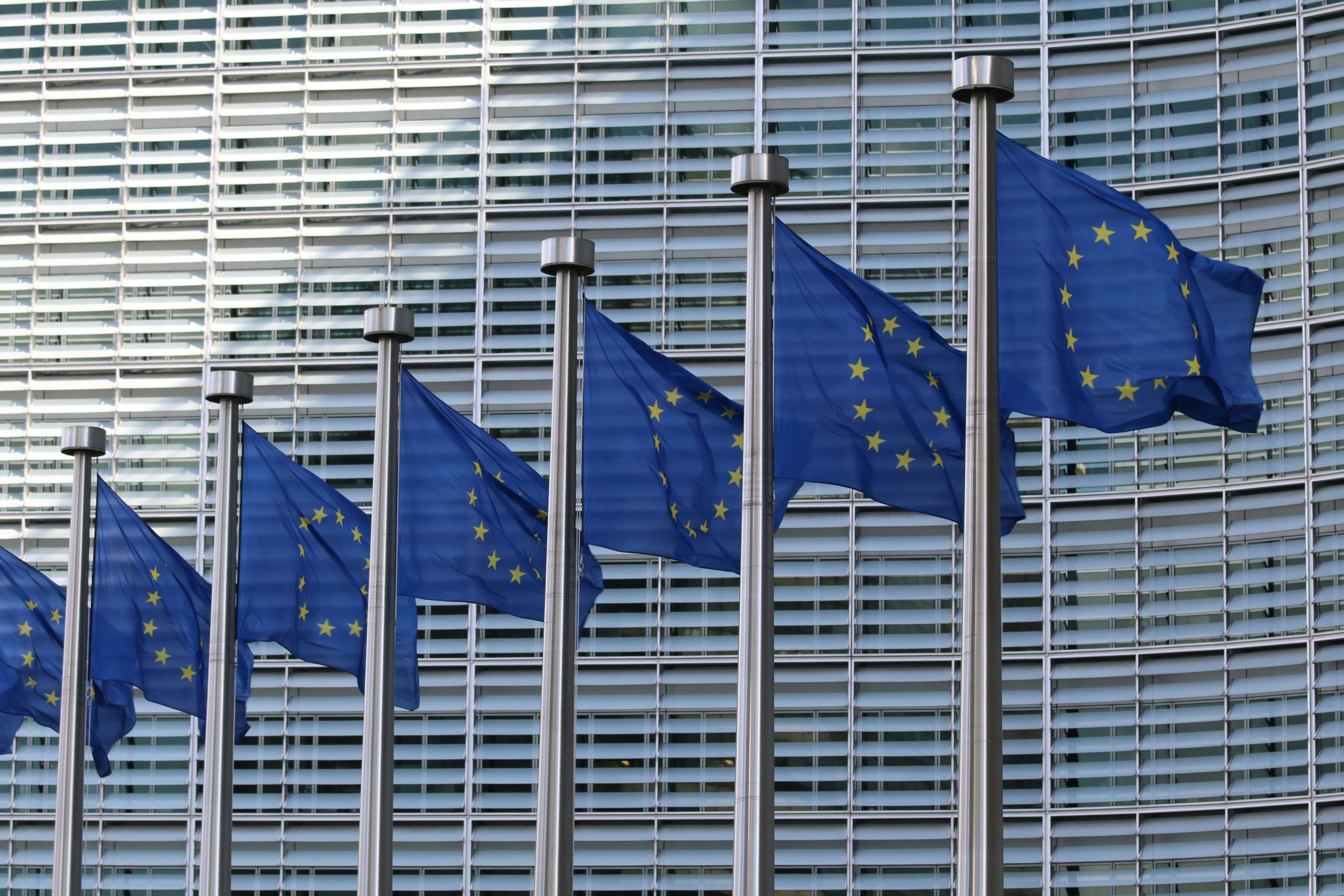
On 12 June 2026, the EU Pact on Migration and Asylum entered into application across EU Member States. Adopted in 2024, the Pact introduces a major reform of the Common European Asylum System. It changes how people are registered at borders, how asylum claims are processed, how responsibility is allocated between Member States, and how “solidarity” between states is organised.
The European Commission presents the Pact as a move towards a more predictable and common European system. Its implementation plan is organised around ten areas, including Eurodac, border procedures, reception, asylum procedures, returns, responsibility-sharing, solidarity, crisis response, safeguards for vulnerable people, and resettlement and integration.
By June 2026, Member States had been preparing national laws, infrastructure and procedures to apply the Pact. The Commission’s May 2026 state-of-play report suggested that many of the key pillars were being put in place, but that further work was still needed. Civil society organisations have also warned that implementation will vary significantly across Member States, with some countries more prepared than others.
For GLASO, the Pact raises urgent questions about what happens to LGBTIQ+ people seeking asylum in Europe. The Pact includes new safeguards, including vulnerability screening, legal counselling, fundamental rights monitoring and attention to people with specific needs. However, the real test will be how these safeguards work in practice.
LGBTIQ+ asylum claims often depend on forms of evidence that are difficult and unsafe to produce. Many people have had to conceal their sexual orientation, gender identity, gender expression or sex characteristics for years to survive. Some may have no documents, no public relationship history, no safe witnesses and no possibility of being “visible” in the way asylum systems sometimes expect. Fast procedures at borders may make it even harder for applicants to disclose sensitive experiences, build trust with interpreters or lawyers, and explain complex histories of persecution.
There are also concerns about detention, accelerated procedures, the use of “safe country” concepts, and the possibility of returning people to third countries where LGBTIQ+ people may face violence, criminalisation, social exclusion or lack of protection. A country may be treated as generally safe while still being unsafe for queer, trans or intersex people. This distinction matters.
The European Parliamentary Research Service has already noted that LGBTIQ+ applicants face specific challenges in proving their claims, accessing safe reception conditions, and avoiding return to places where they may be at risk. Human Rights Watch and other organisations have also warned that the Pact may increase detention, weaken safeguards and make access to asylum more difficult if implemented without strong rights protections.
GLASO will follow these developments closely. Our work will pay particular attention to how the Pact affects LGBTIQ+ people seeking protection, how vulnerability is identified, how evidence is assessed, and how civil society organisations respond to new risks and responsibilities.
As the Pact moves from law into practice, one thing is clear: implementation must be judged not only by speed, efficiency or border management, but by whether people seeking safety can actually access protection, dignity and justice.
References
European Commission. (2026). Pact on Migration and Asylum enters into application on 12 June.
European Commission. (2026). Implementing the Pact on Migration and Asylum.
European Commission. (2026). Questions and Answers on the Pact on Migration and Asylum.
Council of the European Union. (2026). Pact on Migration and Asylum.
European Council on Refugees and Exiles. (2026). State of Play of Pact Implementation.
Human Rights Watch. (2026). Questions and Answers: The EU Pact on Migration and Asylum.
European Parliamentary Research Service. (2025). Key challenges faced by LGBTI asylum applicants in the EU.
Subscribe to receive research, publications, policy insights, events, and updates from the Global LGBTIQ+ Asylum and Forced Migration Observatory, advancing knowledge and action worldwide